

Do assembled office chairs need to be tightened regularly?
Do Assembled Office Chairs Need to be Tightened Regularly?
As a supplier of Assembled Office Chairs, I've encountered numerous inquiries from customers regarding the maintenance of these chairs. One question that frequently arises is whether assembled office chairs need to be tightened regularly. In this blog post, I'll delve into this topic, exploring the reasons behind regular tightening, the potential consequences of neglecting this maintenance task, and some practical tips on how to keep your office chairs in optimal condition.
The Importance of Regular Tightening
Assembled office chairs are composed of various components, including screws, bolts, and nuts, which hold the chair together. Over time, the constant movement and use of the chair can cause these fasteners to loosen. This is particularly true in high - traffic office environments where chairs are frequently adjusted, swiveled, and sat on.
Regular tightening of the chair's fasteners is crucial for several reasons. Firstly, it ensures the safety of the user. A chair with loose parts can become unstable, increasing the risk of accidents such as tipping over. This is especially dangerous in an office setting where employees are focused on their work and may not be aware of the potential hazards.
Secondly, tightening the chair regularly helps to maintain its structural integrity. Loose components can cause unnecessary stress on other parts of the chair, leading to premature wear and tear. For example, if the bolts holding the armrests are loose, the armrests may move around, putting additional strain on the connection points and potentially causing them to break.
Finally, a well - maintained chair provides a better user experience. A chair that is properly tightened will feel more stable and comfortable to sit on. It will also operate smoothly, allowing for easy adjustments of the seat height, tilt, and other features.
Consequences of Neglecting Regular Tightening
Failure to tighten assembled office chairs regularly can have several negative consequences. As mentioned earlier, safety is a major concern. An unstable chair can lead to injuries, which can result in lost work time, medical expenses, and potential legal issues for the employer.
In addition to safety risks, neglecting regular tightening can also lead to costly repairs or replacements. When parts of the chair are loose, they are more likely to break or become damaged. This can require the replacement of individual components or, in severe cases, the entire chair. Over time, these costs can add up, making it more expensive to maintain a poorly maintained office chair fleet.
Another consequence is a decrease in employee productivity. A uncomfortable or unstable chair can make it difficult for employees to focus on their work. They may be constantly distracted by the chair's movement or discomfort, leading to reduced efficiency and lower quality of work.
How to Tighten Assembled Office Chairs
Tightening an assembled office chair is a relatively simple process that can be done with basic tools. Here are the steps you can follow:
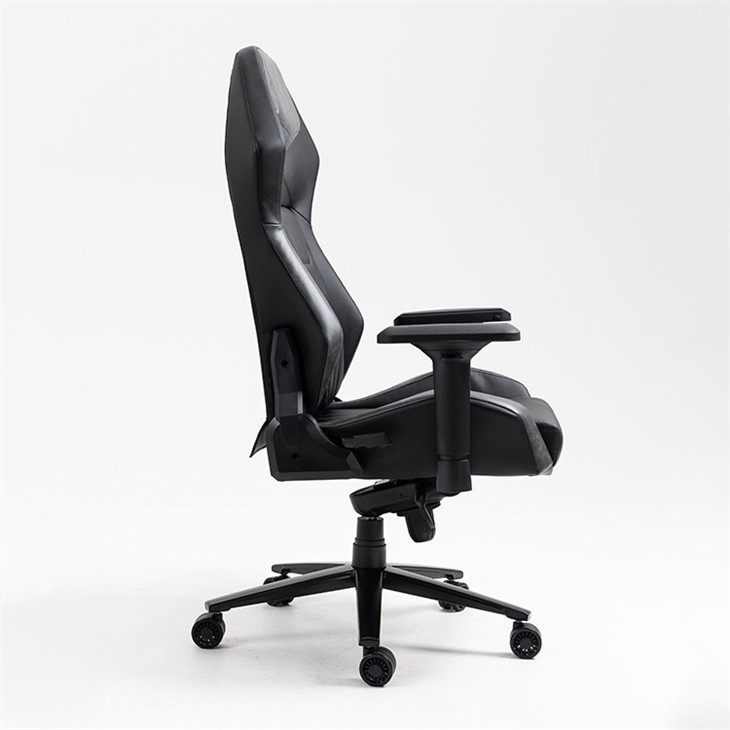

- Inspect the Chair: Before tightening any fasteners, carefully inspect the chair for any signs of damage or loose parts. Look for screws that are visibly loose, wobbly armrests, or a loose seat.
- Gather the Necessary Tools: You'll typically need a screwdriver or a wrench, depending on the type of fasteners used in the chair. Make sure the tool fits the screws or bolts properly to avoid stripping them.
- Tighten the Fasteners: Start by tightening the screws and bolts around the base of the chair, including those that hold the wheels and the gas lift. Then, move on to the seat, backrest, and armrests. Be careful not to overtighten the fasteners, as this can also cause damage to the chair.
- Test the Chair: After tightening all the fasteners, test the chair to make sure it is stable and comfortable to sit on. Try adjusting the seat height, tilt, and other features to ensure they are working properly.
It's recommended to tighten your office chairs at least once every three months, or more frequently in high - use environments.
Our Product Offerings
At our company, we offer a wide range of Assembled Office Chairs that are designed for comfort, durability, and ease of use. Our chairs are made from high - quality materials and are assembled with precision to ensure long - lasting performance.
One of our popular products is the Breathable Office Chair for Long Time Typing. This chair features a breathable mesh backrest that helps to keep the user cool and comfortable during long hours of work. It also has adjustable features such as seat height, tilt, and armrests, allowing for a customized seating experience.
Another great option is our Best Home Office Chair. This chair is designed specifically for home office use, providing the same level of comfort and support as our office chairs. It is easy to assemble and comes with a range of features to enhance the user's comfort, such as a padded seat and lumbar support.
Conclusion
In conclusion, assembled office chairs do need to be tightened regularly to ensure safety, maintain structural integrity, and provide a better user experience. Neglecting this maintenance task can lead to safety risks, costly repairs, and decreased employee productivity. By following the simple steps outlined above, you can keep your office chairs in good condition and extend their lifespan.
If you're in the market for high - quality assembled office chairs, we invite you to explore our product offerings. Our chairs are designed to meet the needs of modern office environments and are backed by our commitment to quality and customer satisfaction. Contact us today to discuss your office chair requirements and let us help you find the perfect solution for your workplace.
References
- Office Furniture Industry Standards and Guidelines
- Research on Workplace Safety and Ergonomics